 A Light Shines on in the Darkness
A Greek philosopher and teacher ended a lecture by asking, “Are there any questions?” One student asked, “Dr. Papaderos, what is the meaning of life?” Some laughter followed, and some started to leave, but the professor held up his hand, saw that the question was meant as a serious one, and said, “I will answer your question.”
Then taking out his wallet, he fished out a very small, round mirror, about the size of a quarter. Then he said, “When I was a child, during the war, we were poor and lived in a remote village. One day, on the road, I found several broken pieces of a mirror from a wrecked German motorcycle. I tried to find all the pieces and put them back together, but it was not possible, so I kept only the largest piece. This one. And by scratching it on a stone I made it round.
“I began to play with it as a toy and became fascinated by the fact that I could reflect light into dark places where the sun would never shine—in deep holes and crevices and dark closets. It became a game for me to get light into the most inaccessible places I could find. I kept the little mirror, and as I went about my growing up, I would take it out in idle moments and continue the challenge of the game. As I became a man, I grew to understand that this was not just a child’s game, but a metaphor for what I might do with my life. I came to understand that I am not the light or the source of light. But light—truth, understanding, knowledge—is there, and it will only shine in many dark places if I reflect it.
“I am a fragment of a mirror whose whole design and shape I do not know. Nevertheless, with what I have, I can reflect light into the dark places of this world—into the dark places in the hearts of people—and change some things in some people. Perhaps others may see and do likewise. That is what I am about. This is the meaning of my life.
In two of our readings today we find biblical characters who lived in dark times. Isaiah the ancient prophet was announcing comfort for his people, who had been defeated and driven into exile, forced to live far from their native land. And John the Baptist started preaching to people at a time when they were being oppressed by the occupying Roman army, being forced to pay tribute in the form of taxes and receiving very little in return.
Isaiah and John try to shine light into the darkness of the lives of people they loved. A light that originated in God, and in what God was about to do: in one case, to allow the people to return to their native home from which they had been exiled; and in the other, to announce the coming of a Savior.
What I find especially intriguing about the Greek professor’s story was that he was using an object of war—part of a smashed mirror of a German motorcycle—and crafting it into a source of new light. And he saw that as his calling: to acknowledge that there is indeed darkness in the world and in the human heart, but not to be defeated by that darkness. Rather, his job was to allow the light to bring hope, new meaning, compassion, and the enlightenment of faith.
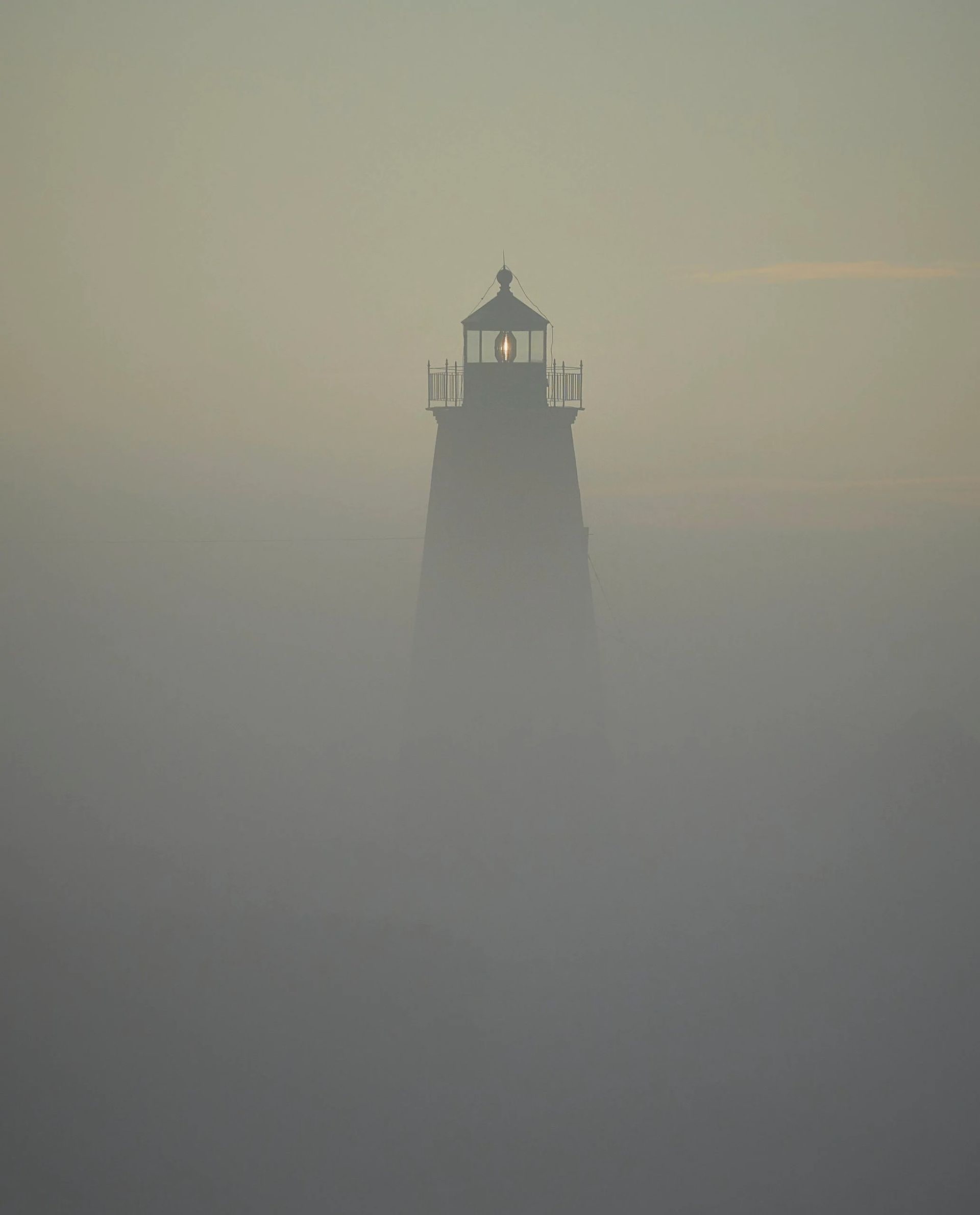
The Gospel reading for Christmas Day is the marvelous prologue of the Gospel of John. “In the beginning was the Word, and the Word was with God, and the Word was God. He was in the beginning with God. All things came to be through him, and without him nothing came to be. What came to be through him was life, and this life was the light of the human race; the light shines in the darkness, and the darkness has not overcome it.”
This was the message of Isaiah, and John the Baptist, and the Greek professor. And now, the message is handed over to us. We are called to be messengers of light, proclaiming that, no matter how dark our world may be, with all the wars, all the violence, all the hatred and division, all the political corruption, all the oppression and greed: in the midst of all that, there is light. We did not create the light, but we are called to reflect it, to bring it into the little nooks and crannies where we live, with the conviction: “the light shines in the darkness, and the darkness has not overcome it.”
Let’s not sit in the dark. Let’s not be afraid of the dark. Let’s not be overpowered by the dark. Jesus Christ, the mighty one proclaimed by the Baptist, is real; he lives in us; we are his servants. And we dare to believe and to proclaim to all the frightened hearts of our world: “the light shines in the darkness, and the darkness will not overcome it.”
You might also like
Father's Homilies