Good & Evil: Repentance & Pride
Homily for the Twenty-Sixth Sunday in Ordinary Time
September 26, 2026
Two battleships assigned to the training squadron had been at sea on maneuvers in heavy weather for several days. The visibility was poor with patchy fog, so the captain remained on the bridge keeping an eye on all activities.
Shortly after dark, the lookout on the wing of the bridge reported, “Light, bearing on the starboard bow.” “Is it steady or moving astern?” asked the captain. The lookout replied, “Steady, captain,” which meant it was on a dangerous collision course with their ship. The captain then shouted to the signalman, “Signal the ship: We are on a collision course. Advise you to change course 20 degrees.” Back came a signal, “Advisable for you to change course 20 degrees.”
In reply, the captain said, “Send: I’m a ship’s captain. Change course 20 degrees now!” “I’m a seaman second class,” came the reply. “You had better change course 20 degrees, now!” By that time the captain was furious. He spit out a command, “Send: This is a battleship. Change your course immediately.”
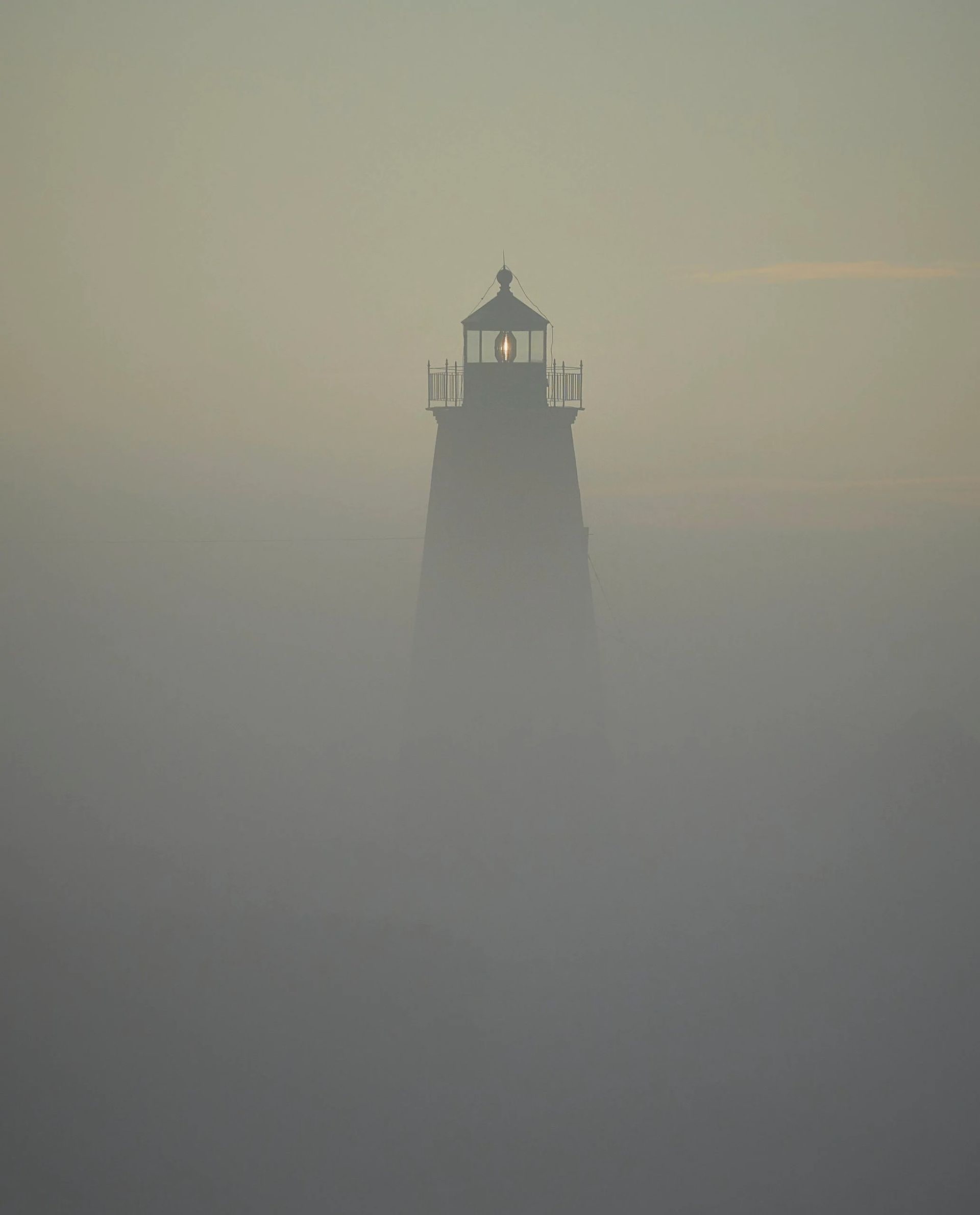
Back came the flashing light’s reply, “This is a lighthouse!” The battleship changed course.
Throughout the gospels, we often find Jesus in debates and heated arguments with the religious elite, the scribes and the Pharisees. In today’s passage, he confronts them with a question that forces them to make a choice. The two sons are told by the father to work in the vineyard. The first is rebellious, saying I will not. But he has a change of heart and goes to the vineyard as his father had asked. The second son is a hypocrite, saying he would go, but never went.
So, Jesus is comparing the scribes and the Pharisees to the second son. They look holy. They follow the religious rules. But on the inside, they are full of arrogance and pride. Instead of looking into their own hearts and acknowledging their shortcomings, they judge others instead, labeling them inferior because they weren’t living as they should. They are blinded by their own self-righteousness.
By contrast, many of those who were sinners, when they heard the power of Jesus’ preaching, repented, turning away from their sinful past and becoming disciples. Speaking to the self-righteous, Jesus says, “tax collectors and prostitutes are entering the kingdom of God before you.” Why? Because they were like the first son. Their lives had said, “I will not do your will, father.” But when they encountered Jesus, they changed their ways and obeyed God’s will.
Several years ago, a reporter asked Pope Francis, “Who are you?” His election as Pope came as a surprise. Francis replied with deep humility, “I am a sinner.” He was a sinner who surrendered to God’s will, asked for forgiveness, and strived to humbly follow Jesus each day. He admitted that he was imperfect. If he made a mistake, he admitted it, and reversed his position.
Within the heart of every human being, there is a struggle between good and evil. Like the scribes and Pharisees, we can point out the evil in other people. What Jesus is asking, however, is that we not allow pride to blind us, or make us think that we are better than other people.
Ultimately, Jesus is like the lighthouse: stable and dependable, leading us through the darkness. He asks two things of us: (1) If our lives are heading in the wrong direction, change course; (2) If we think we are better than others, don’t let pride make you think that you’re better than anyone else.
You might also like
Father's Homilies